What We Offer

Research Services & Heritage Guides

Twelve categories of research output, from freely accessible field guides to bespoke institutional subscriptions — all grounded in the same methodology of primary sources and annual field review.

Our Scope

From Field Notes to Published Knowledge

The Nile Chronicle Research Centre produces four categories of research output that address different needs, from a first-time visitor wanting a reliable pre-travel read to a European university requiring an annually updated dataset of site conditions across the Nile Valley.

Every piece of research begins in the field. Our researchers conduct annual visits to all major sites, logging changes to access routes, conservation conditions, opening schedules and scholarly interpretation. That field data is then cross-referenced against the most recent excavation reports, Ministry of Tourism and Antiquities bulletins, and peer-reviewed journals before a word is committed to a published guide.

We do not produce promotional content. Our assessments note both strengths and limitations of individual sites — if a gallery is poorly lit or a restoration has temporarily closed a key chamber, we say so. This approach occasionally leads to tension with site operators, but it is the only way to remain a source that visitors and researchers can rely on without reservation.

Below you will find detailed descriptions of each service category. If you are uncertain which best matches your needs, our contact team will direct you to the appropriate option. See our service plans for subscription pricing or use the enquiry form to discuss a custom arrangement.

Services at a Glance
Field Site GuidesOpen access, updated annually
Museum Gallery GuidesObject-level commentary
Archaeological DigestsExcavation summaries
Itinerary AdvisoryPersonalised planning
Institutional SubscriptionsFull archive access
Educational PacksClassroom-ready resources
Conservation ReportsSite status updates
Research ConsultationDirect scholar access
Core Research Output

Our Primary Service Categories

These eight services form the backbone of our research programme and address the needs of individual visitors, academic researchers and educational institutions alike.

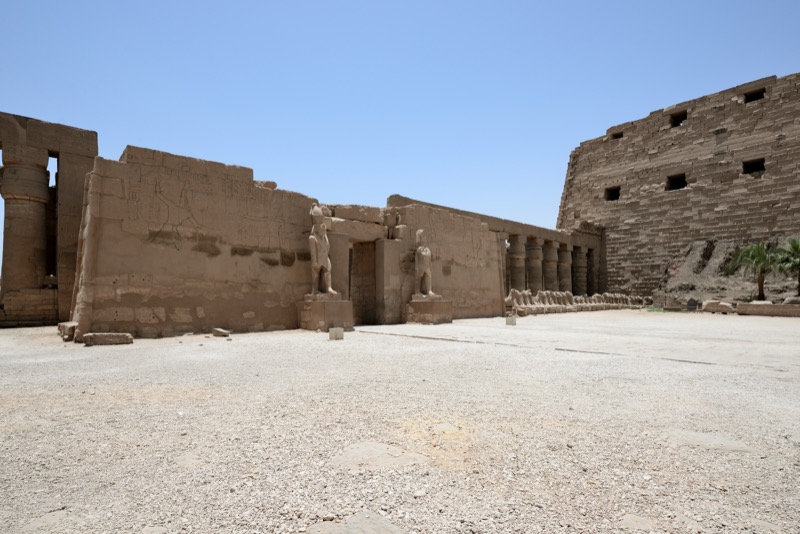
Karnak Temple hypostyle hall at Luxor, Egypt, showing massive decorated columns
Open Access

Field Site Guides

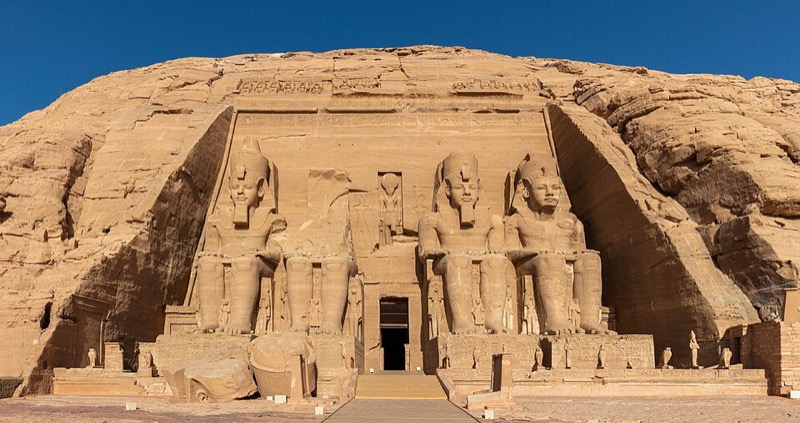
Our flagship research output: comprehensive guides to individual archaeological sites and monument complexes across Egypt. Each guide covers historical background, architectural analysis, visitor logistics, current conservation status and scholarly debates surrounding the site. Guides are updated annually following field review visits and carry explicit publication dates so readers know how current the information is. We currently maintain active guides for 180 sites from Alexandria to Aswan, with new additions covering newly opened or recently excavated locations. The guides for all major sites — including Giza, Karnak, the Valley of the Kings, Saqqara, Abu Simbel, Luxor Temple, Abydos and the Grand Egyptian Museum — are available without charge on this site. Guides for more remote or specialist locations form part of our institutional subscription archive.

Browse monument guides →
Interior view of the Grand Egyptian Museum at Giza with Ramesses II statue
Museum Research

Museum Gallery Commentary

Object-level commentary for Egypt's principal museum collections. Our museum guides go beyond the room-by-room descriptions found in standard audio tours, providing intellectual and historical context for individual artefacts and explaining curatorial choices — why certain objects are displayed as they are, what their original function was, and what their presence in a museum collection means for the sites from which they were excavated. We produce detailed guides for the Grand Egyptian Museum at Giza, the Egyptian Museum in Tahrir Square, the Nubian Museum in Aswan, the Luxor Museum, the Alexandria National Museum, and the Coptic Museum in Old Cairo. Each guide notes the most significant objects by gallery room, with cross-references to related material at other institutions. Our museum guide overview provides entry points for each institution.

View museum guides →
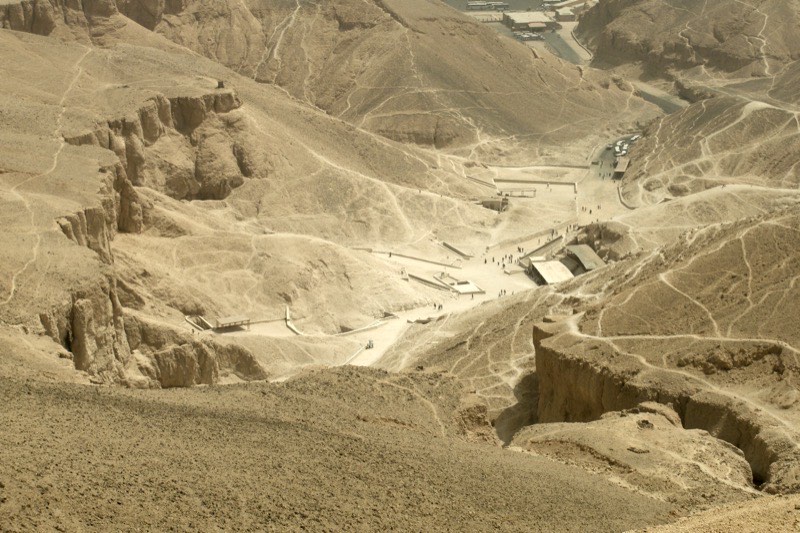
Archaeological excavation site in the Valley of the Kings, Luxor, Egypt
Scholarly Research

Excavation Digests

Accessible summaries of current and recent excavations across Egypt, intended for readers without specialist archaeological training who nevertheless want to understand what fieldwork is happening and what it means. Each digest covers the excavation methodology, the significant finds, their preliminary interpretation and any implications for the broader understanding of Egyptian history or material culture. Digests cover major ongoing projects including the Saqqara excavations, the Giza Plateau Mapping Project, the Valley of the Kings Foundation surveys, the Abydos Votive Zone project and University missions at Luxor. We publish seasonal digests following the main fieldwork seasons (October–April) and issue updates when significant finds are announced. Access our archaeology overview for current digest topics.

Read archaeology overview →
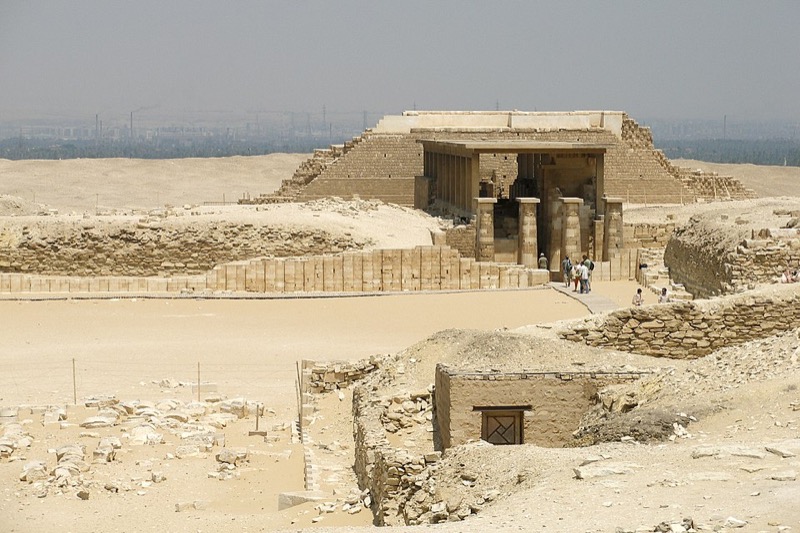
Saqqara step pyramid at sunset, the oldest monumental stone structure in the world
Advisory Service

Itinerary Advisory

A personalised service for visitors who want structured advice on how to structure their time in Egypt for maximum historical and cultural depth. Our researchers review your available days, starting points, specific interests (dynasty period, site type, geographical region), physical capability and — if applicable — any research or educational objectives. We then produce a day-by-day itinerary with logistics notes, morning/afternoon sequencing, transport recommendations between sites, and suggested preparatory reading from our archive. The advisory service is available as a standalone engagement or as part of our Researcher plan subscription. We handle everything from a three-day Cairo stay to a three-week Nile-to-Mediterranean programme. See our day trip planning guide for self-guided options.

View service plans →
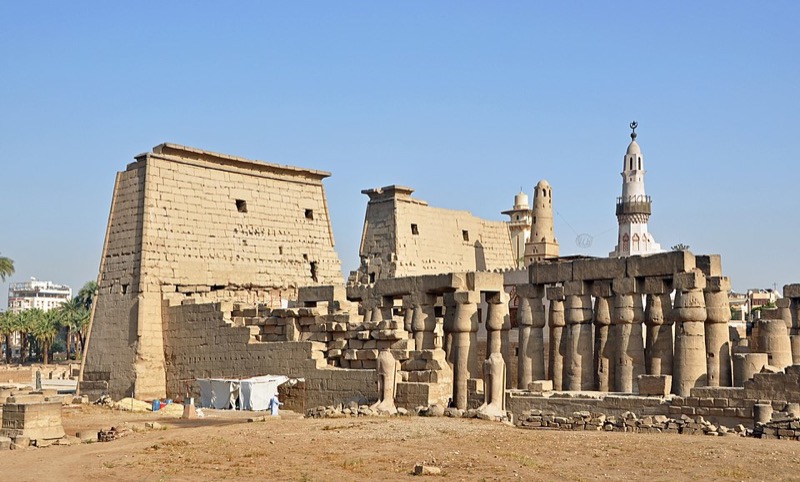
Luxor Temple pylons at dusk, Egypt, illuminated by evening light
Institutional

Institutional Subscriptions

Multi-user access to our full research archive for universities, heritage consultancies, museums, schools and other organisations that require regular, reliable information about Egyptian archaeological sites and collections. Institutional subscribers receive access to our complete database of site guides including unpublished specialist reports, our conservation status tracker updated after each field season, priority access to seasonal excavation digests, and a set number of direct researcher consultation hours per quarter. Subscriber organisations currently include heritage management firms in Europe and the Gulf, university Egyptology departments in Germany, the Netherlands and the UK, and international school networks operating in Cairo. Invoice-based annual billing is available. Contact us to discuss institutional requirements.

Enquire now →
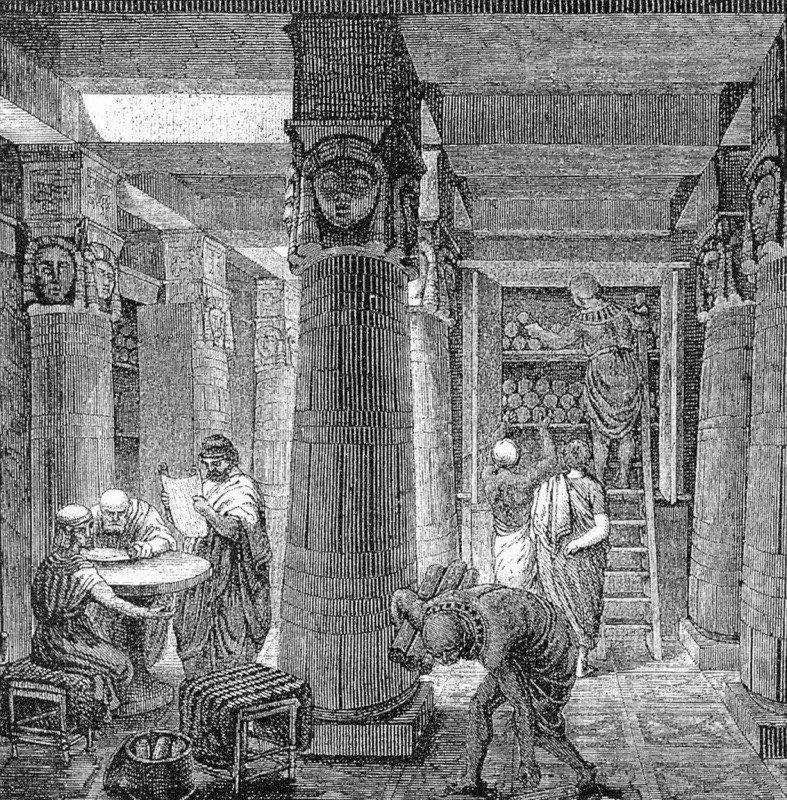
Historical illustration of the ancient Library of Alexandria, Egypt
Field Reports

Conservation Status Reports

Quarterly field reports documenting the current conservation status of Egypt's most significant heritage sites — what restoration works are underway, which areas are currently inaccessible, where new environmental or human-pressure threats have been identified, and what protective measures have recently been implemented by the Ministry of Antiquities or UNESCO. These reports are produced primarily for heritage management professionals and academic researchers who need current on-the-ground intelligence rather than general news coverage. They cover the Giza Plateau, Luxor West Bank, Karnak, Abu Simbel, Saqqara, the Fayum, Alexandria's archaeological zones, and selected Delta sites. Subscribers receive quarterly reports as standard; individual reports are available for purchase. Our visitor planning page summarises current access conditions.

Check access conditions →
Specialist Services

Educational & Academic Support

Beyond our core research output, we offer structured support for classroom educators, postgraduate students and heritage professionals working on Egyptian material.

Education

Classroom Resource Packs

Structured classroom materials for secondary and post-secondary educators covering key topics in ancient Egyptian history, art and archaeology. Each resource pack includes a teacher's background guide, student-facing reading material at two reading-level variants (accessible and advanced), a set of discussion questions with suggested answers, a chronological reference chart, and image-usage rights for classroom display. Topics currently covered include: The Old Kingdom and pyramid-building; New Kingdom religion and royal ideology; The Book of the Dead; Everyday life in Ptolemaic Egypt; Akhenaten and the Amarna period; Women in ancient Egypt; Trade and diplomacy in the Bronze Age Eastern Mediterranean; and The relationship between Egypt and Nubia across three millennia. Packs are reviewed and updated annually. Schools and teachers may request packs via the contact form — educational pricing is available.

Academic Support

Postgraduate Research Consultation

Direct access to our research team for postgraduate students and independent scholars conducting work on Egyptian archaeology, history or heritage. Consultation sessions are available for specific research questions, bibliography construction, site condition verification and — for researchers planning fieldwork or site visits — practical logistical guidance on current access, permit requirements and recommended contacts within the Egyptian academic community. Consultations are conducted by video call or written correspondence depending on the nature of the query. A minimum booking of one hour applies; multi-session arrangements are available at discounted rates for extended projects. Our researchers have experience across Old Kingdom mastaba archaeology, New Kingdom royal tombs, Ptolemaic temple programmes, Roman Egypt and Coptic heritage. See the Researcher plan for consultation hour allocations.

Custom Research

Commissioned Reports

Bespoke research reports commissioned by organisations or individuals with specific analytical needs not covered by our standard publication series. Commissioned reports have covered topics including: comparison of conservation approaches at Luxor Temple versus Karnak across the last two decades; analysis of visitor routing at the Grand Egyptian Museum's Tutankhamun galleries; historical overview of European Egyptological missions in Egypt for an exhibition catalogue; and current access status and interpretive signage quality at Delta sites for a heritage assessment project. Each commission begins with a brief consultation to define the scope, research methodology, deliverable format and timeline. Commissioning fees are quoted individually. Contact us to discuss a commission.

Reference Service

Chronological & Reference Databases

Access to our structured databases of chronological information, site coordinates, dynasty references, royal titularies, key Egyptological bibliography and cross-referenced object inventories for major museum collections. These databases are maintained and updated quarterly and are made available to institutional subscribers as part of their archive access. Individual researchers may access specific database modules on a per-quarter subscription basis. The royal titulary database covers all pharaohs from Narmer to Cleopatra VII with variant spellings, dates of reign (in both Egyptian and BCE reckoning) and principal monument associations. The site database covers 380 catalogued sites with grid references, administrative governorate, UNESCO classification status and current accessibility rating from our most recent field review. See our historical periods overview for chronological context.

How It Works

Engaging With Our Research Services

A consistent process underpins every service engagement, ensuring that what you receive is well-scoped, delivered on time and meets the quality standard we apply to all our research output.

Initial Enquiry

Submit your request via the contact form, describing your requirements as specifically as you can — institution type, research topic, timeline and intended use of the material. We acknowledge all enquiries within one working day and typically respond substantively within two.

Scoping & Proposal

For advisory and commissioned work, we arrange a short consultation call or written exchange to clarify scope, methodology, deliverable format and timeline. For standard subscriptions, we issue an agreement and invoice. For open-access guides, no steps are required — materials are published on the site.

Research & Delivery

Our researchers carry out the agreed work, applying the same primary-source discipline and field-review rigour that underpins all our publications. Deliverables are submitted in the agreed format — PDF, database export, structured document, or direct correspondence — by the confirmed date.

Review & Follow-up

We invite feedback on all commissioned work and offer a revision round for substantive factual corrections. For subscription services, we check in quarterly to confirm that the research categories and access levels remain appropriate for your evolving needs. Subscription upgrades can be arranged at any time mid-term.

Quality Assurance

Before any research output leaves the Centre — whether a freely published field guide, an institutional digest or a commissioned report — it passes through a two-stage internal review. The first stage is a factual check by a researcher not involved in producing the material, verifying key dates, site references and bibliographic citations against primary sources. The second stage is an editorial review by the Director or Head of Conservation Studies, assessing the clarity of the argument, the appropriateness of the reading level for the target audience, and the consistency of claims with the Centre's established body of knowledge. This process adds time — a comprehensive site guide typically takes four to six weeks from field visit to publication — but it is the reason our guides hold up well against peer scrutiny. If a factual error reaches publication, we correct it publicly, with an erratum note dated to the correction, rather than silently amending the text. Transparency about corrections is as important to our credibility as accuracy in the first instance. See our About page for further detail on our research team and their individual specialisations.

Ready to Choose a Plan or Commission Research?

View pricing options or send a direct enquiry — our team responds within two working days.

See Service Plans Send an Enquiry