Egypt City Overviews
Understanding the city you are based in is as important as understanding the monuments you visit. Egypt's four principal heritage cities — Cairo, Luxor, Aswan and Alexandria — each have a distinct character shaped by their historical role, urban geography and relationship to the Nile. This guide covers the heritage districts, practical orientation and the monument clusters within each.
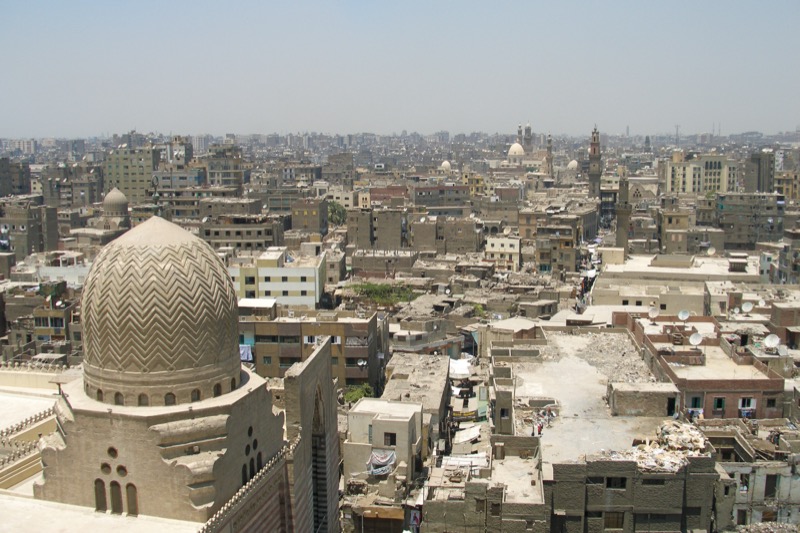
Cairo: The City of a Thousand Minarets
Cairo is the largest city in Africa and the Arab world, and one of the most historically layered urban environments on earth. The city straddles the Nile at the point where the river fans out into the delta, a location that has been continuously inhabited since at least 3100 BCE when Memphis — the Pharaonic capital — was established at this strategic junction of Upper and Lower Egypt.
For heritage visitors, Cairo can be divided into four distinct zones of interest. The first is the Giza Plateau, on the city's southwestern edge, home to the Great Pyramid complex and the Grand Egyptian Museum. The second is the Downtown and Tahrir district — the Khedivial Cairo built on European models in the 1860s and 1870s — which centres on Tahrir Square and the Egyptian Museum. The third is Islamic Cairo, the medieval city east of Downtown, containing the Fatimid street Al-Muizz li-Din Allah, the Khan el-Khalili bazaar, the Citadel of Salah al-Din and over 600 listed Islamic monuments. The fourth is Coptic Cairo (Misr al-Qadima), the ancient southern district containing the Hanging Church (Al-Muallaqah), the Coptic Museum and the ruins of the Roman fortress of Babylon.
The Egyptian Museum on Tahrir Square, the definitive collection of Pharaonic artefacts, is covered in detail in our museum guide. The Grand Egyptian Museum at Giza is likewise treated there. For visitors with only two Cairo days, the standard allocation is one day to the Giza Plateau and GEM, and one day split between Islamic Cairo and the Tahrir museum — a combination that covers the breadth of the city's heritage without either zone feeling rushed.
Cairo's Metro system (three lines, 61 stations) connects Tahrir Square (Sadat Station) to the central train station at Ramses Square. The Metro does not reach Giza directly — a taxi, rideshare app or bus is required for the final leg to the plateau and GEM. Traffic in Cairo is heavy throughout the day; morning rush hours (08:00–10:00) and evening rush (17:00–20:00) should be avoided when planning monument arrivals. The Cairo monorail connecting the western Giza line to the October Bridge area opened in phases between 2024 and 2026 and provides improved access to the GEM corridor.
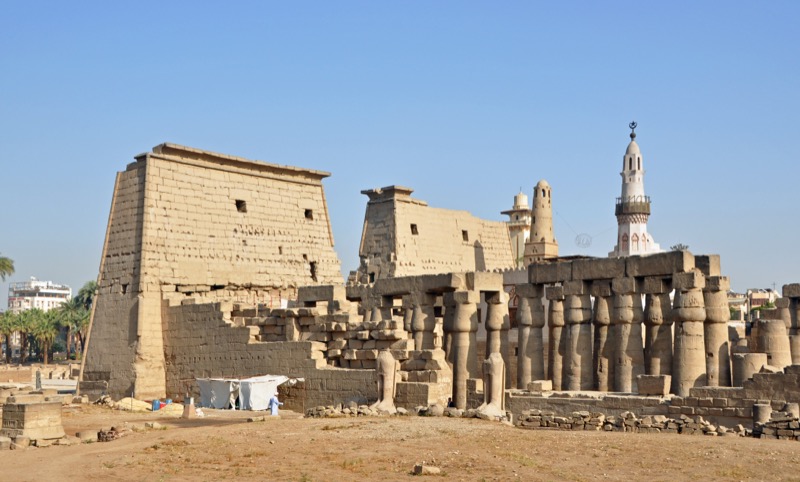
Luxor: The World's Greatest Open-Air Museum
Luxor is the modern name for the site of ancient Thebes, the capital of Egypt throughout much of the New Kingdom (1549–1069 BCE) — the period that produced the Valley of the Kings, the Karnak Temple complex and the most elaborately painted royal tomb programme in history. The city is small enough to navigate on foot or by bicycle but large enough to require careful planning: its principal sites occupy both banks of the Nile, with the East Bank (Karnak and Luxor temples, Luxor Museum) and the West Bank (Valley of the Kings, Medinet Habu, Deir el-Bahri) connected by a public ferry from the central dock near Luxor Temple.
The East Bank is the commercial centre: the main boulevard (Corniche el-Nil) runs parallel to the river with Luxor Temple at its southern end and the public ferry dock midway. The souk district behind the corniche is quieter and more authentic than the tourist market immediately around the temple. The Luxor Museum, between Karnak and Luxor Temple on the corniche, is the single most elegantly curated museum in Egypt and rewards two to three hours of unhurried attention.
The West Bank is rural and quiet, its agricultural villages interspersed with the massive archaeological zones. The ferry crossing takes five minutes; local microbuses and taxis cover the distances between sites. Private hired vehicles with drivers are the most efficient way to cover multiple West Bank sites in a single day. The Valley of the Kings is 8 kilometres from the ferry dock; Medinet Habu is 3 kilometres. Deir el-Bahri (the mortuary temple of Hatshepsut) is reached via a mountain road or the shorter desert footpath over the ridge from the Valley of the Kings — one of the most dramatic walking approaches in Egyptology.
Luxor is reachable from Cairo by EgyptAir domestic flights (1 hour), by overnight sleeper train from Ramses Station (9 hours), or by day train (Express services: 9–11 hours depending on service). For site-by-site coverage of the Luxor monuments, see our monuments guide and the Nile Valley itinerary page.
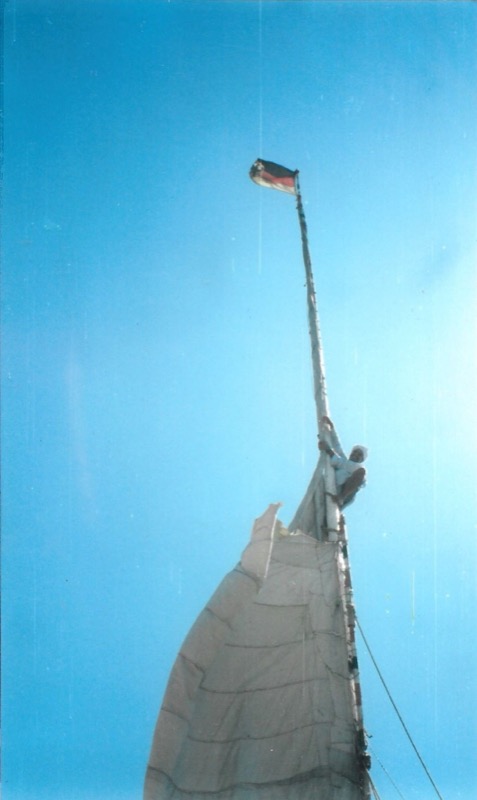
Aswan: Gateway to Nubia
Aswan, Egypt's southernmost major city, occupies one of the most visually dramatic settings of any urban area in northeast Africa. The Nile here is studded with granite islands and boulders, its course narrowed by the First Cataract — the historical southern boundary of ancient Egypt proper and the edge of the territory known to the Pharaohs as Nubia. The city has historically been a garrison town, a trade entrepôt and, in the 20th century, the site of Egypt's most consequential engineering project: the Aswan High Dam (completed 1970), which created Lake Nasser and transformed both Egyptian agriculture and the archaeology of Nubia.
The heritage attractions of Aswan cluster around the Nile itself. Elephantine Island, in the middle of the river, contains the ruins of ancient Yebu — the Pharaonic town that occupied this strategic position from at least the Old Kingdom. The island's archaeological zone includes a small museum, several temple foundations and one of the few surviving Nilometers: the stone staircase used to measure flood levels that determined the agricultural taxation system. The island is reached by public ferry from the eastern corniche.
Philae Island, now accessible by motor launch from the Shellal dock south of the Old Dam, holds the Temple of Isis complex — the last active pagan temple of the Roman Empire, described above in the monuments guide. The Nubia Museum on the western bank of the Nile is the single most important repository of Nubian archaeological material in Egypt and is covered in the museum guide.
Aswan is the departure point for Abu Simbel: daily morning flights from Aswan Airport (30 minutes) or the road convoy (3.5 hours). Our day trips guide covers the Abu Simbel logistics in full. The Aswan corniche, best experienced in the late afternoon when the light falls directly across the Nile onto the granite outcrops of the west bank, is among the most beautiful urban promenades in Egypt.
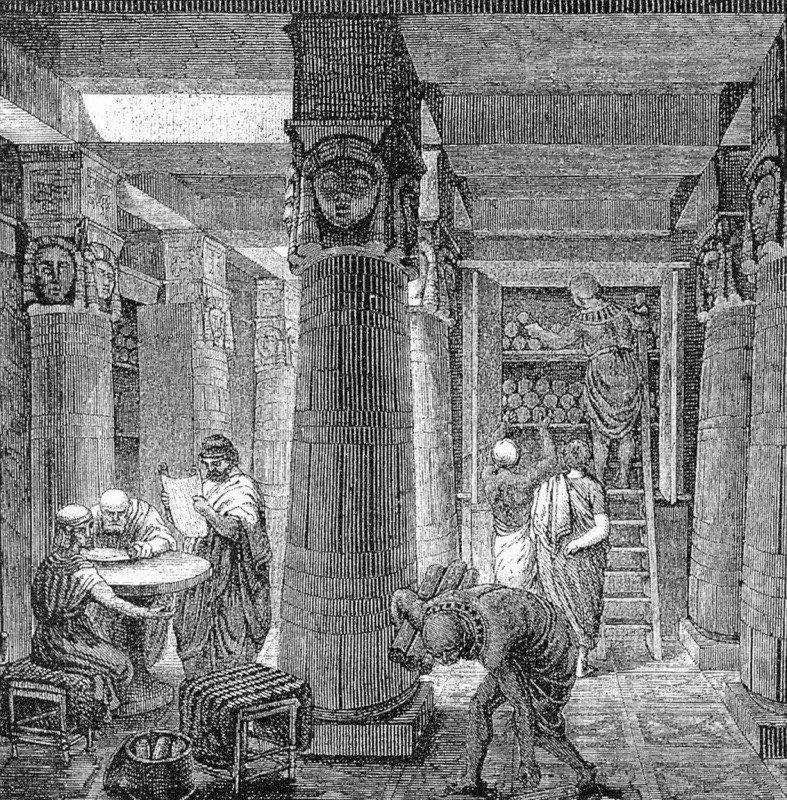
Alexandria: Classical World Capital
Alexandria occupies a narrow strip of land between the Mediterranean Sea and Lake Mariout, 225 kilometres northwest of Cairo. Founded by Alexander the Great in 331 BCE and immediately designed as a Hellenic city in plan and character, Alexandria became the capital of the Ptolemaic Kingdom and one of the intellectual centres of the ancient world for nearly seven centuries. The city of the ancient sources — the Library, the Mouseion, the Lighthouse of Pharos, the Serapeum, the royal palaces — is largely inaccessible: most of the Ptolemaic-era city lies beneath the current urban fabric or has sunk into the harbour.
The principal above-ground heritage sites are: Kom el-Shoqafa (the catacombs, second century CE, mixing Egyptian, Greek and Roman funerary traditions in one of the most architecturally peculiar underground complexes in the Mediterranean world); Pompey's Pillar and the adjacent Serapeum ruins (a 27-metre red granite column erected in 297 CE — the largest monolithic column in Egypt outside Luxor); and the Montazah Palace gardens (a 19th-century royal estate on the eastern seafront, open to the public). The Citadel of Qaitbey, built in 1477 CE on the site of the ancient Lighthouse of Pharos — one of the Seven Wonders of the Ancient World — stands at the end of the eastern harbour promontory and contains a small maritime museum.
The Bibliotheca Alexandrina, the modern library opened in 2002, houses seven specialised libraries, four museums and permanent exhibitions including one on manuscripts and one on the history of ancient Alexandria. Its building — designed by the Norwegian firm Snøhetta as a tilted disc partially submerged into the harbour — is itself a work of architecture worth examining. The library's Antiquities Museum displays artefacts recovered from the immediate vicinity of the building site during construction.
Alexandria is best reached from Cairo by air-conditioned express train from Ramses Station (Turbo Express: 2 hours). See our day trips guide for the full one-day Alexandria itinerary from a Cairo base.
Egypt Heritage Cities at a Glance
| City | Best Heritage Focus | Recommended Stay | Best Base District | Top Site |
|---|---|---|---|---|
| Cairo | Pharaonic collections + Islamic Cairo | 3–5 nights minimum | Downtown / Garden City | Grand Egyptian Museum |
| Luxor | New Kingdom temples + royal tombs | 3–4 nights | East Bank corniche | Karnak Temple Complex |
| Aswan | Nubian heritage + Abu Simbel access | 2–3 nights | Corniche el-Nil | Philae Temple + Nubia Museum |
| Alexandria | Greco-Roman Egypt + maritime archaeology | 1–2 nights (or day trip) | Eastern Seafront / Raml Station | Kom el-Shoqafa + Bibliotheca |
City Orientation FAQ
There is no single base that allows efficient access to both cities — they are 700 kilometres apart. The standard itinerary structure is to base in Cairo for the first several days (Giza, GEM, Tahrir Museum, Islamic Cairo), then fly or take the sleeper train to Luxor for the Theban heritage sites, followed optionally by a train south to Aswan for the Nile and Nubian sites. This south-to-north or north-to-south routing is the most logical for Egyptian heritage travel and allows each city to be experienced properly rather than rushed between on day trips.
Luxor Temple is walkable from most East Bank corniche hotels — it sits at the southern end of the main boulevard. The Luxor Museum, a kilometre north, is also walkable. Karnak Temple is 3 kilometres north of Luxor Temple — a 40-minute walk along the corniche that is pleasant in cool weather. In summer (May–September), walking between Karnak and Luxor Temple in midday heat is not advisable; local taxis and horse-drawn carriages cover the route for a standard negotiated fee. West Bank sites are not walkable from the East Bank; the public ferry is the recommended crossing, with taxis and microbuses for site-to-site movement.
The Islamic Cairo heritage zone is centred on the Al-Muizz li-Din Allah street, running north-south through the Fatimid city between Bab al-Futuh (north gate) and Bab Zuwayla (south gate). The nearest Metro station is Al-Azhar / Hussein (Line 2). Hotels in the Zamalek district (an island suburb connected by bridges) offer a quieter base within 20 minutes of the heritage zone. Downtown hotels near Tahrir Square place visitors equidistant between the Tahrir Museum and Islamic Cairo. Traffic to Giza from central Cairo takes 45–60 minutes; from Zamalek it is marginally faster via the 26th July corridor.
Yes, particularly if you intend to visit Abu Simbel, Philae and the Nubia Museum. An overnight in Aswan allows an early morning departure for Abu Simbel (flights leave at 07:00–08:00) and a leisurely afternoon at Philae, with a sunset walk along the corniche. Aswan's tourist infrastructure is well-developed and the corniche hotels have the finest Nile views in Egypt. For visitors continuing to Abu Simbel, at least two nights in Aswan are recommended. Our visitor planning guide covers the Luxor-to-Aswan routing in detail.
The Pharaonic-period heritage of Alexandria is largely invisible above ground — the city was built on a coastal limestone spit with no pre-existing Pharaonic urban infrastructure, and the Ptolemaic and Roman layers lie beneath the current city or are submerged in the harbour. The obelisks known as Cleopatra's Needles, originally from Heliopolis (near Cairo), stood in Alexandria for centuries but were removed to London and New York in the 19th century. The closest pharaonic site to Alexandria is the ancient city of Canopus (Abukir, 25 kilometres east) and the nearby Heracleion, whose remains are submerged in the harbour of Abukir Bay. For the pharaonic experience near Alexandria, the route back to Cairo via the delta town of Tanis (excavation site of royal burials contemporary with Tutankhamun's) adds a compelling secondary destination for archaeologically focused visitors.