Independent Scholarship, Accessible to All
The Nile Chronicle Research Centre was founded in 2009 by a small group of Egyptologists and heritage professionals who believed that high-quality, rigorously sourced information about Egypt's ancient monuments should be freely available to any interested visitor, not only to those enrolled in university programmes or able to afford specialist guided tours.
Our operating principle is simple: we write what the evidence supports. Where scholarly opinion is divided — and in Egyptology it often is — we say so clearly. Where access conditions at a site have changed, we update our guides promptly. Where a less-visited site deserves more attention than it receives, we argue the case. We receive no advertising revenue and no payment from attraction operators, hotels, or tour companies. Our income comes exclusively from institutional research subscriptions and the advisory service plans available on this site.
In fifteen years of operation we have produced comprehensive field guides to more than 180 individual sites across Egypt, from the Delta to the Second Cataract. Our material has been cited in postgraduate dissertations, used by secondary school teachers preparing classroom resources, and read by first-time visitors preparing for a two-week holiday. All of it was written to serve those readers equally.
Core Principles of Our Research
No Commercial Influence
Every site assessment is made on scholarly and visitor-experience grounds alone. We do not accept payment, free entry or hospitality from operators in exchange for coverage. When we highlight a site, it is because the evidence and the experience justify it. This approach sometimes means that genuinely significant but less accessible sites receive the same attention as major attractions — which is how it should be.
Referenced & Verifiable
Our guides cite the excavation reports, journal articles and official documents from which claims are derived. We maintain a bibliography for each major guide that is available on request. Where we rely on a single scholarly interpretation, we note it as such. This discipline takes time but it is the foundation of trustworthy information. Secondary sources are used only where primary documents are unavailable or prohibitively technical for a general readership.
Dated & Updated
Every guide carries a publication date and a last-reviewed date. Field researchers conduct annual visits to all major sites, checking entry fees, opening hours, current restoration works, and whether new discoveries have altered the scholarly picture. In a country where excavations are ongoing and new galleries open regularly, outdated information is a genuine disservice. We update before that information misleads a visitor or a researcher.
The People Behind the Guides
Our core team combines field experience, academic training and a genuine affection for Egypt's extraordinary heritage. Biographies below reflect qualifications at time of publication.
Dr. Karim Mansour
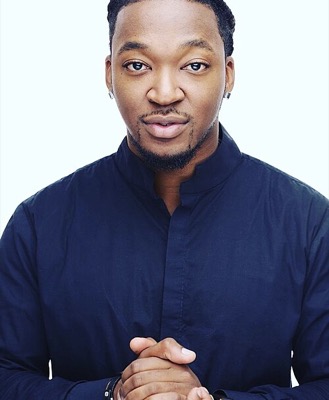
Karim holds a doctorate in New Kingdom archaeology from Cairo University and spent six seasons with the SCA excavation team at Saqqara. He established the Centre in 2009 after concluding that independent scholarship needed a public-facing outlet. He leads the annual field review programme and edits all primary site guides before publication. His specialist interest is Ramesside-period architecture and royal iconography.
Dr. Mariam El-Rashidy
Mariam trained as a conservator at the Institut National du Patrimoine in Paris before returning to Egypt to work on wall-painting stabilisation projects in the Valley of the Kings. At the Centre she oversees the conservation-status sections of our site guides, documenting ongoing stabilisation works and their effects on visitor access. Her reports inform the access notes that accompany each published guide.
Prof. Richard Halloway
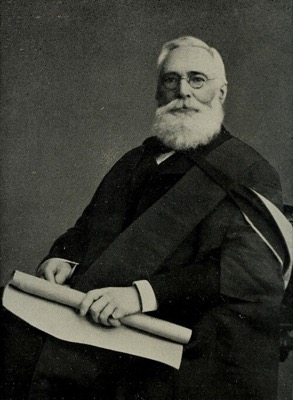
Richard is a visiting professor at the University of Alexandria and a specialist in the Ptolemaic and Roman periods of Egyptian history — the centuries when Greek culture overlaid, merged with and ultimately transformed the Pharaonic tradition. His guides to Alexandria, the Fayum portrait sites and the Greco-Roman Museum bring a period often overshadowed by earlier dynasties into clear scholarly focus. He has published two monographs on Ptolemaic temple construction.
Dr. Nadia Osman
Nadia's background is in heritage education and visitor studies. She joined the Centre in 2014 to address a gap between scholarly accuracy and practical utility — making sure that factually correct guides are also readable, logistically useful and appropriately calibrated for different levels of prior knowledge. She manages the Centre's reader feedback programme and commissions accessibility reviews of each major site.
Fifteen Years of Heritage Research
Centre Founded in Talaat Harb
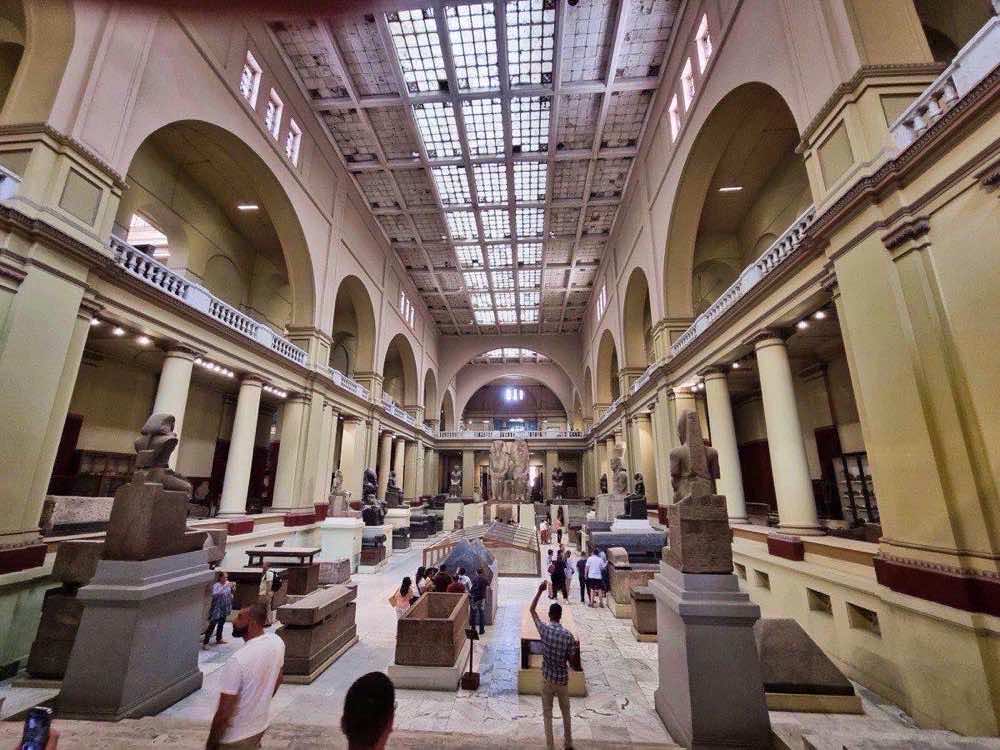
The Nile Chronicle Research Centre was established with three founding members operating from a rented office in Cairo's Talaat Harb Street. The first published guides covered the Giza Plateau, Saqqara and the Egyptian Museum in Cairo. The research approach — primary sources, annual field review, no commercial affiliation — was defined in the inaugural editorial charter.
Upper Egypt Programme Launched
A dedicated Upper Egypt research programme was established, producing comprehensive guides to Luxor, Karnak, the Valley of the Kings, the Valley of the Queens, Abydos, Dendera and Edfu. The programme involved researchers spending three months per year based in Luxor to conduct field reviews during both high and low visitor seasons.
Formal Registration & Institutional Subscriptions
The Centre was formally incorporated under Egyptian commercial law with GAFI registration number 218473. Institutional research subscriptions were introduced to provide a sustainable revenue model, allowing the general visitor guides to remain freely accessible. The first institutional subscribers included three European universities and a heritage management consultancy in Dubai.
Grand Egyptian Museum Coverage Added
As the Grand Egyptian Museum at Giza opened its first galleries, the Centre published the first independent scholarly overview of the GEM's collection philosophy, gallery architecture and display methodology — analysing how the institution represents ancient Egypt to a twenty-first-century international audience. Updated coverage follows each new wing opening.
Digital Advisory Service Introduced
The Centre launched a structured advisory service for individual visitors, researchers and educational institutions, providing tailored itinerary planning, scholarly reading lists and direct access to researchers for specific academic enquiries. The service addresses the gap between freely available general guides and the personalised expertise that institutional subscribers had always accessed.
The Centre by the Numbers
Research Methodology in Practice
Understanding our process helps readers calibrate how to use our material — what it can reliably tell them and where they should seek additional sources.
Annual On-Site Verification
Every guide we publish is tied to a field review cycle. Our researchers visit each major site at least once per year — typically in autumn, before the main tourist season, and in spring, when archaeological missions are concluding their fieldwork phase. During visits, researchers check entry fees, opening times, current restoration closures, new interpretive signage, and any significant physical changes since the previous review. Notes are cross-referenced against official Ministry of Tourism and Antiquities announcements and against reports from our network of academic contacts at Cairo, Aswan and Luxor universities. Where a site has changed substantially since the last publication date, we issue an interim update rather than waiting for the next scheduled revision. We believe that a guide with an explicit review date, even if slightly older, is more trustworthy than an undated resource of unknown currency. Every Egypt-Hist publication carries both a creation date and a last-reviewed date in its header information.
Primary Sources First
Our editorial hierarchy places primary sources — excavation reports, official site records, peer-reviewed journal articles, Ministry bulletins — above secondary commentary. When we make a claim about a site's history, dating or significance, the supporting evidence is drawn from these primary documents wherever they exist. Secondary sources, including well-regarded popular histories, are used to provide context and to bridge gaps where primary literature is either unavailable or too technical for a general readership, but they are never treated as authoritative on their own. We maintain a living bibliography for each major guide in our archive; institutional subscribers have access to these bibliographies as part of their subscription. For freelance readers, we are happy to share source references on request for any specific claim. Our commitment to verifiable scholarship is not academic formalism — it is what makes our guides reliable over time. Sites change; scholarly interpretations evolve; we update accordingly, and readers can trace the basis for every significant statement we make.